Your Team

Meet the Team Behind This Service

The leadership of the Plastic Surgery & Aesthetics Medical Center at Chongqing West District Hospital — specialists in aesthetic and reconstructive surgery, skin and laser care, and dermatology — practicing within a tertiary general hospital. They are the clinicians who hold consent conversations, answer second-opinion requests and respond to concerns raised by patients.

Specialist Profiles

The four leads of the center

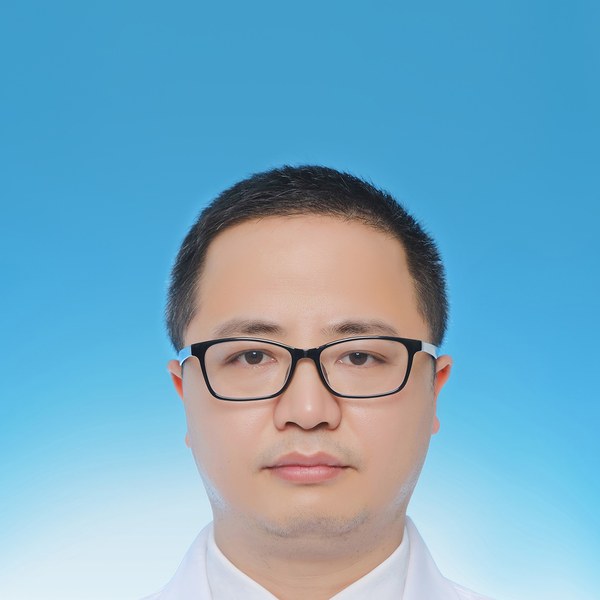
Tongchun Mao, MD

Tongchun Mao, MD (毛彤春)

Deputy Director & Head of Aesthetic Services · Medical Reviewer · Vice Chief Physician, Licensed Aesthetic Attending

Consent conversations · second-opinion assessment · facial surgery

Dr. Tongchun Mao is Deputy Director of the Plastic Surgery & Aesthetics Medical Center at Chongqing West District Hospital, and the medical reviewer for this site. He leads the consent conversation for complex facial surgery in this centre: what an operation can and cannot change, what each risk would mean for this particular patient, what the alternatives are including doing nothing for now, and what happens if the patient decides against proceeding. A core specialist formerly at the plastic and aesthetic surgery department of Xinqiao Hospital, affiliated with Army Medical University, he has rooted his clinical practice for more than 20 years and personally performs over 700 operations a year.

His practice covers detailed facial surgery, facial rejuvenation and surgical contouring, and body contouring, and he is frequently asked for a second opinion on plans made elsewhere. His consistent position is the one this site is built on: explain the plan until the patient can repeat it back in their own words, change only what the assessment justifies, and treat a refusal or a change of mind as a decision rather than an obstacle.

Clinical focus

  • Consent conversations and honest explanation of risk before complex facial surgery
  • Second-opinion assessment for patients who were treated elsewhere
  • Detailed facial surgery (eyelid, nose, chin, lip), including repair of previous surgery
  • Facial rejuvenation and surgical facial contouring
  • FUE hair transplantation and body contouring

Academic roles & achievements

  • Member, Rhinoplasty and Trunk Tumor Groups, Chinese Medical Association Plastic Surgery Branch
  • Member, Chongqing Medical Aesthetics Quality Control Center; Member, Chongqing Medical Accident / Disability Assessment Expert Pools
  • Deputy Chair, Chongqing Shapingba District Medical Aesthetics Committee
  • Published 5 SCI papers, holds 7 national patents, and has participated in 4 research projects
  • Repeatedly named an "Outstanding Young Physician" at Xinqiao Hospital since joining in 2005

The explanation decides the consent

Two patients can be offered the same operation and give very different consents, because what each of them understands and cares about is different. The test is not whether a form was signed. It is whether the patient could describe the plan, the alternatives and the main risks afterwards, in their own words.
Shaoliang Wang, MD

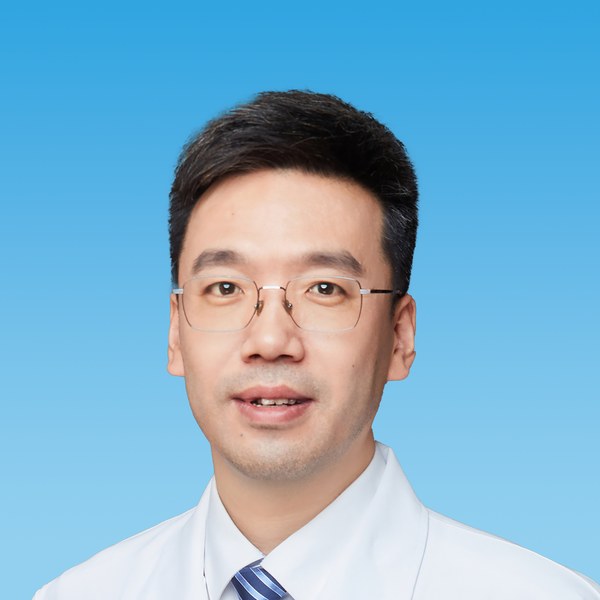
Shaoliang Wang, MD (王韶亮)

Director, Plastic Surgery & Aesthetics Medical Center · Vice Chief Physician, Associate Professor, Doctor of Medicine

Plastic surgery · revision · complex repair

Dr. Shaoliang Wang is Director of the Plastic Surgery & Aesthetics Medical Center at Chongqing West District Hospital. He previously served as deputy chief of plastic and aesthetic surgery at Xinqiao Hospital, affiliated with Army Medical University, and brings more than two decades of tertiary-hospital surgical experience to his practice.

Within this service he is the surgical backstop and often the second opinion a patient asks for: revision of failed operations that began anywhere, excision of skin tumours, complex wound repair, and the decision that a plan should not proceed. He is also the clinician who most often has to explain, to a patient who feels something went wrong elsewhere, what was done and what can realistically be done now. Twenty years of tertiary-hospital surgery inform every opinion he gives, including the ones that decline to operate.

Clinical focus

  • Second-opinion and revision assessment of operations performed elsewhere
  • Surgical removal of skin tumors with margin control and layered cosmetic closure
  • Excision and repair of moles, cysts, and other superficial lesions
  • Scar revision and comprehensive scar management after burns and trauma
  • Complex wound repair and tertiary-hospital surgical support for dermatologic cases

Academic roles & achievements

  • Member, Craniofacial Surgery Group, Chinese Medical Association Plastic Surgery Branch
  • Deputy Chair, Chongqing Medical Aesthetics & Beauty Committee
  • Standing Committee Member, Chongqing Medical Doctor Association Plastic Surgery Branch
  • Expert Panel, Chongqing Aesthetic Surgery Quality Control Center
  • Developed a new endoscope- and water-jet-assisted technique for removing injected polyacrylamide (Aomingding) breast filler; awarded the Wang Liangneng Cup Military Excellent Scientific Paper Award
  • Principal investigator on an international cooperation sub-project, a Chongqing Natural Science Foundation grant, and a Third Military Medical University technology-transfer project; published 4 SCI papers and holds 8 national invention patents

A hospital-based advantage

When a patient arrives unhappy with an operation performed elsewhere, or with a complication that needs theatre-level care, the operating room, anaesthesiology and intensive care are already in the same building. The explanation and the clinical answer to it can come from the same team, in the same place.

Ke He, MD

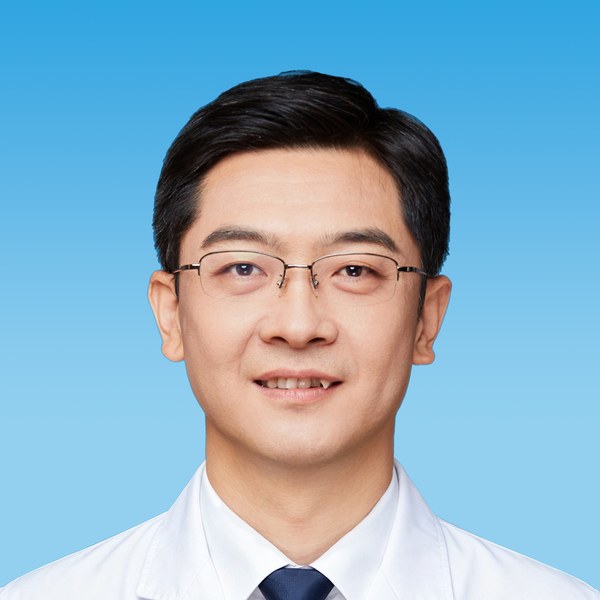
Ke He, MD (何锞)

Deputy Director & Head of Skin & Laser Aesthetics · Attending Physician, Licensed Aesthetic Attending

Skin & laser aesthetics · explaining a course of treatment

Dr. Ke He is Deputy Director of the Plastic Surgery & Aesthetics Medical Center and head of its skin and laser aesthetic service at Chongqing West District Hospital. A core specialist formerly at the plastic and aesthetic surgery department of Xinqiao Hospital, affiliated with Army Medical University, she has worked on the clinical front line in skin laser and aesthetic dermatology for more than 20 years, serving over ten thousand patients.

Within this service she is responsible for explaining what a course of skin or laser treatment actually involves before it begins: how many sessions are realistic, what each one will and will not change, what the skin will look like in between, and why a patient may reasonably decide to stop partway. Her argument is simple — a patient who knows what the treatment will feel like and how long it will take is far less likely to feel misled later.

Clinical focus

  • Explaining a course of treatment: realistic session counts, intervals and stopping points
  • Skin-quality programmes: barrier repair and non-surgical rejuvenation
  • Early scar prevention and repair: silicone, pressure, injection, and laser protocols
  • Pigment conditions: freckles, melasma, age spots, nevus of Ota, and post-inflammatory pigment
  • Acne and acne scarring; vascular conditions and full-cycle hair management

Academic roles & achievements

  • Member, Laser Medicine Group, Chinese Medical Association Plastic Surgery Branch
  • Member, Facial Rejuvenation Group, Chinese Medical Association Plastic Surgery Branch
  • Member, Chongqing Plastic Surgery Quality Control Center
  • Published 5 papers, holds 5 national patents, and introduced 2 new clinical techniques

No surprises in the middle of a course

Most dissatisfaction with laser and skin treatment comes from a plan that was never described, not from the treatment itself. Knowing how many sessions are expected, what the skin will look like between them, and what result would count as success is what makes it possible to stop at the right time rather than persist out of obligation.

Yongbo Jia, MD

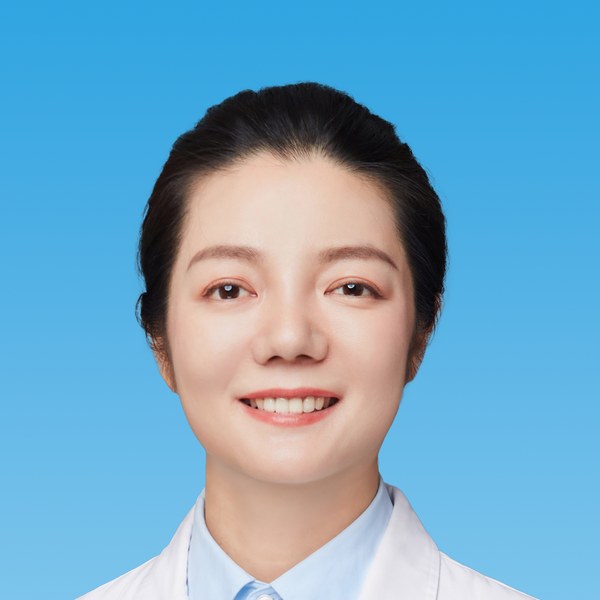
Yongbo Jia, MD (贾勇波)

Deputy Director & Head of Dermatology · Vice Chief Physician, Licensed Aesthetic Attending

Dermatology · diagnosis, uncertainty and skin health

Dr. Yongbo Jia is Deputy Director of the Plastic Surgery & Aesthetics Medical Center and head of its dermatology service at Chongqing West District Hospital. A vice chief physician and licensed aesthetic attending, he graduated from Chengdu University of Traditional Chinese Medicine and trained in dermatology at the Institute of Dermatology, Chinese Academy of Medical Sciences, and at Chongqing Hospital of Traditional Chinese Medicine.

Within this service he handles the dermatologic questions that decide whether a plan is safe to proceed with at all, and he is the person who explains the diagnosis and its uncertainty before any treatment is discussed. That includes saying plainly when a diagnosis is provisional, when a condition is expected to recur, and when the honest answer is that the evidence does not point clearly in one direction. Good treatment on unhealthy skin heals poorly, and he is the person who says so.

Clinical focus

  • Explaining a diagnosis, its uncertainty, and what would change the plan
  • Comprehensive pigment management: melasma, freckles, sun spots, café-au-lait, and age spots
  • Preoperative skin assessment and postoperative scar and pigment care
  • Hair and scalp conditions, including hair loss and hair transplantation
  • Aesthetic excision of superficial moles, cysts, and haemangiomas; refined cosmetic stitching

Academic roles & achievements

  • Member, Jiusan Society
  • Member, Chongqing Integrative Medicine Skin & Beauty Committee
  • Advanced training at the Institute of Dermatology (Chinese Academy of Medical Sciences) and Chongqing Hospital of Traditional Chinese Medicine

Diagnosis first, and honestly

Most treatment failures in dermatology trace back to a missed diagnosis or an abandoned routine. Getting the diagnosis right, being clear about how certain it is, and then staying with the maintenance plan is what quietly produces results. Where the diagnosis is uncertain, that uncertainty belongs in your notes and in the conversation.

Ask before you sign, not afterwards

If part of your plan has not been explained to your satisfaction, or you want to know how the consent conversation works in your own case, contact the team. Questions asked early are welcome, and they are far easier to answer than questions asked afterwards. You are never obliged to agree to something you do not yet understand.

Contact the Team